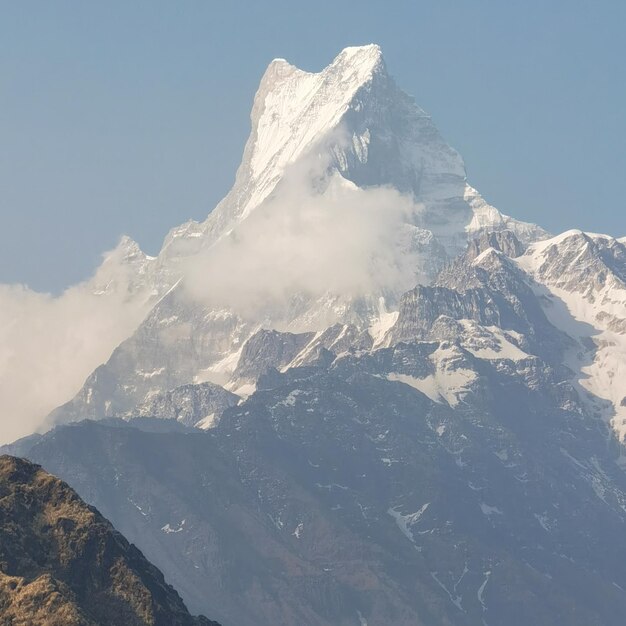
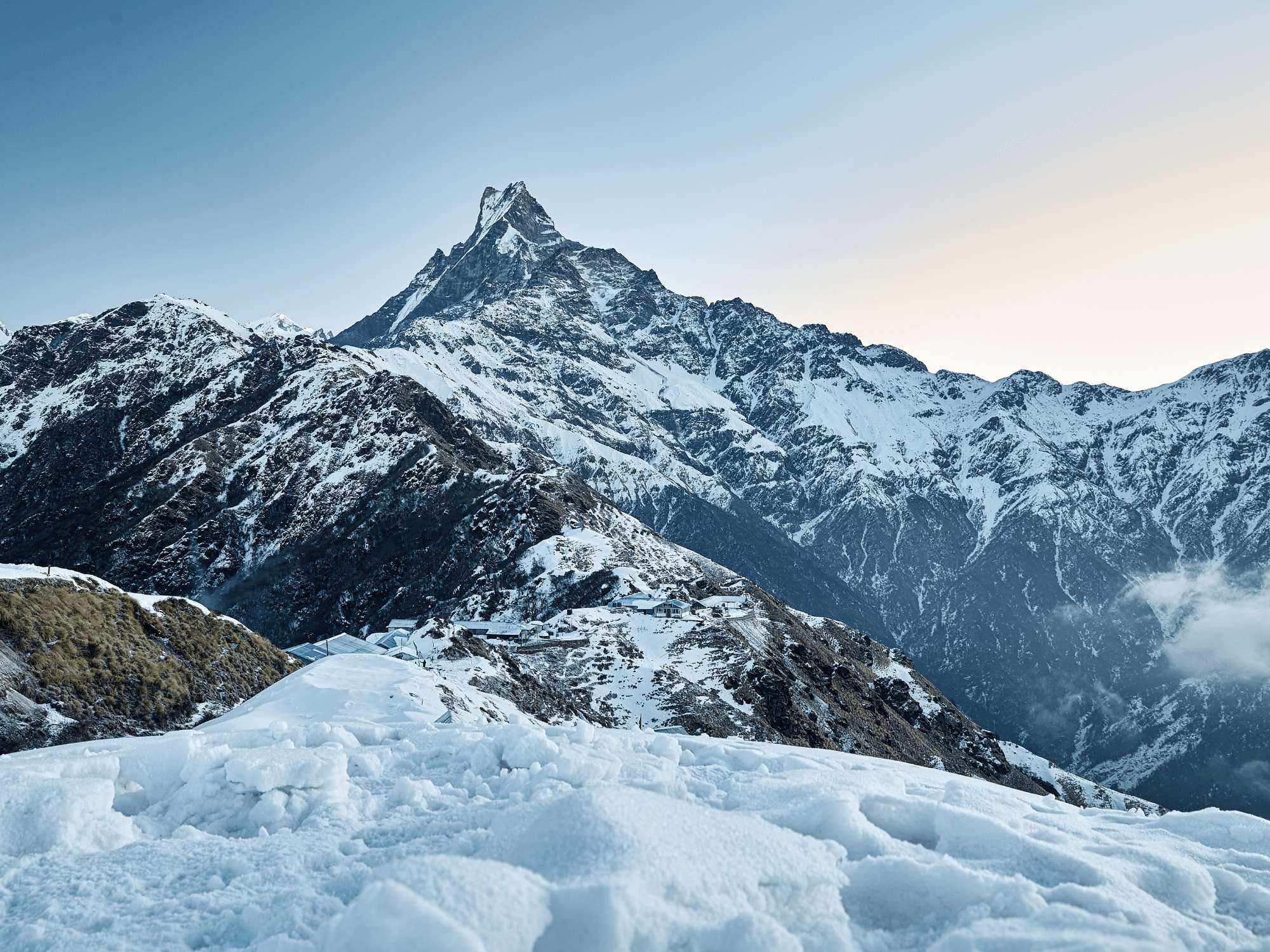
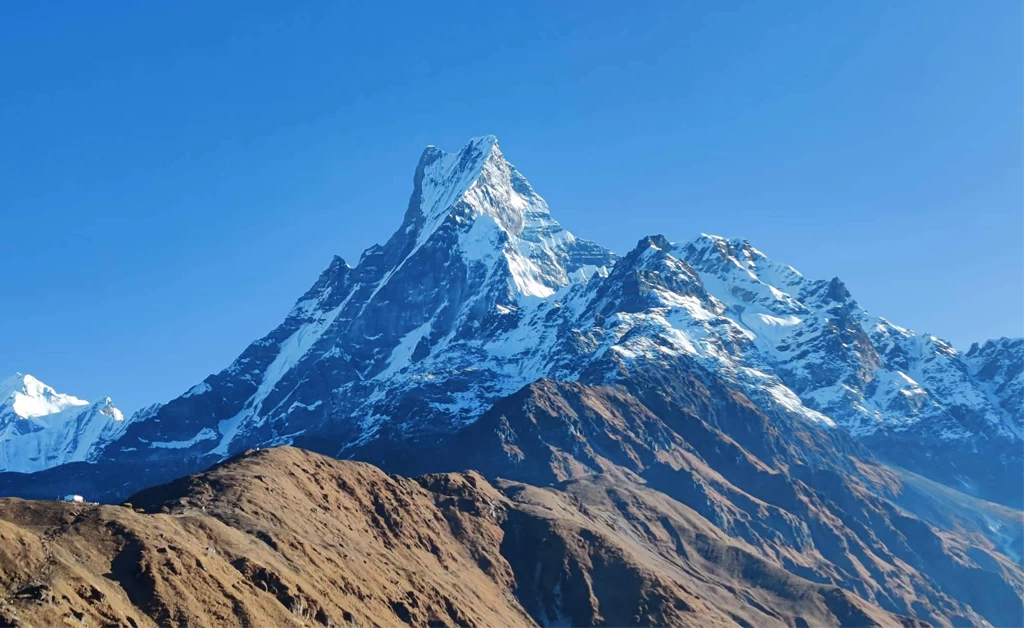
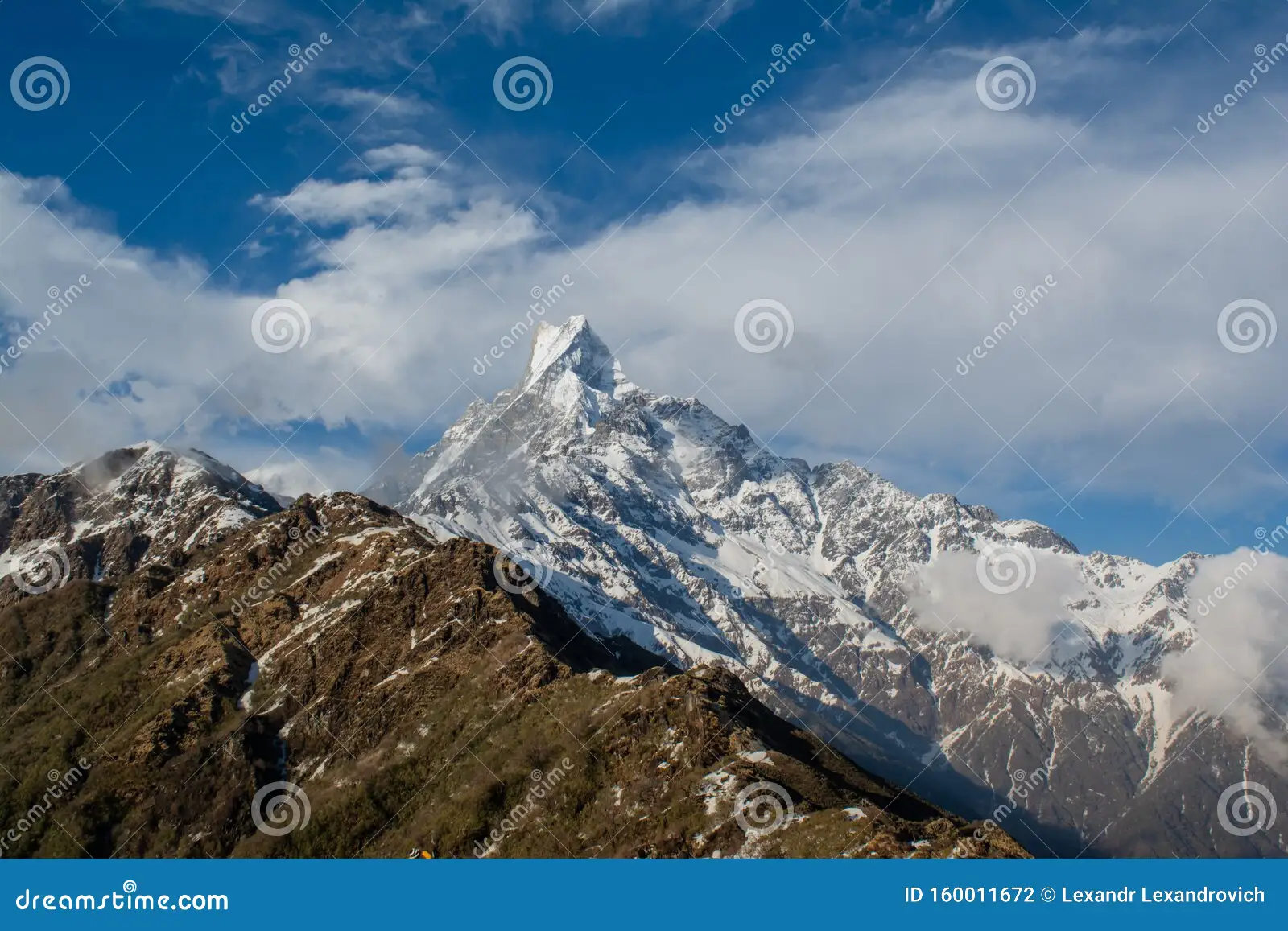
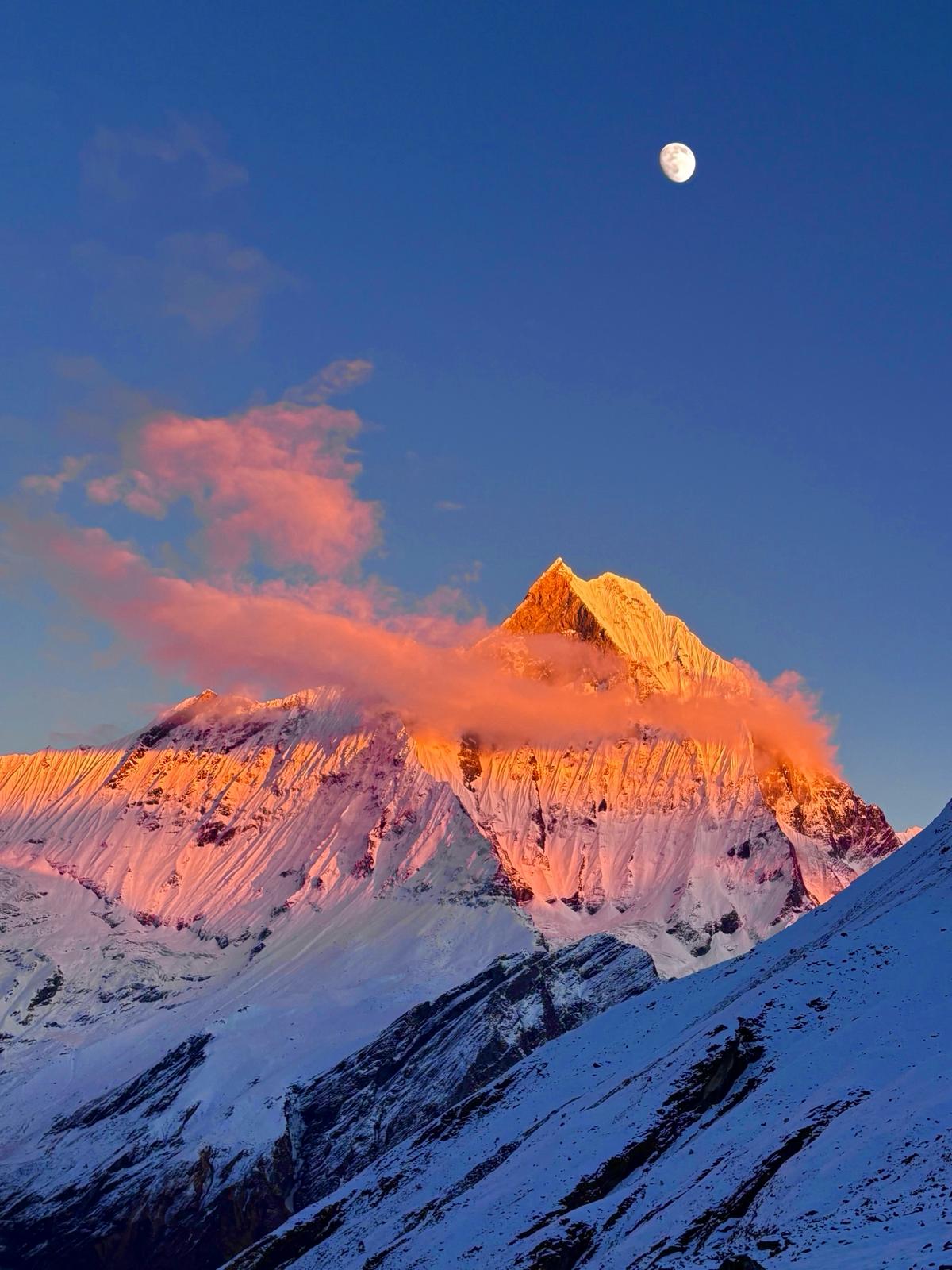
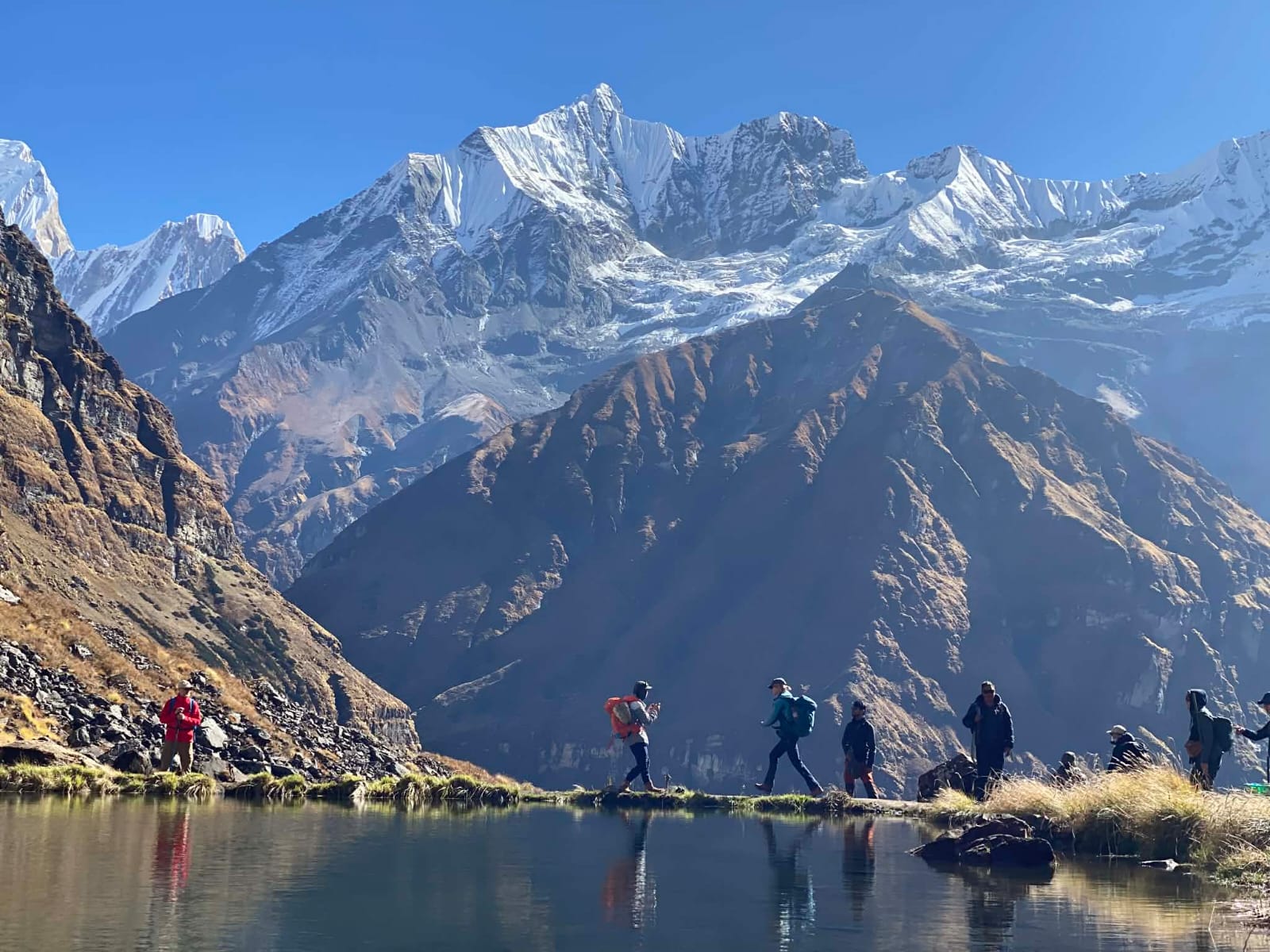
Wide mountain view on the Mardi Himal trekking route
Annapurna Region

Mardi Himal Trekking

Difficulty Moderate
Duration 10 Days
Max. Altitude 4,500 m / 14,764 ft
Best Season Mar-May, Sep-Nov
Lodging & Meals Hotel & Tea House

Mardi Himal

A short Annapurna ridge trek known for teahouse hiking, steady altitude gain, and dramatic close mountain views.

Mardi Himal Trekking is one of the shorter Himalayan treks in Nepal, but it still delivers a full mountain journey. The standard route begins near Kande, passes Deurali/Pothana, and then climbs through Forest Camp, Low Camp, and High Camp before the early-morning push to Mardi Himal Base Camp.

The trek sits inside the Annapurna Conservation Area, west of Pokhara. Nepal Tourism Board lists the Annapurna region among Nepal's most popular trekking areas and recommends March to May and September to November for the clearest conditions and best trekking weather.

This route is generally rated moderate. It is not technical, but it does involve repeated uphill days, basic teahouse facilities, and a long summit morning above High Camp where the ridge is more exposed to wind and weather.

The highest point on the trek is usually taken as Mardi Himal Base Camp at 4,500 meters, while High Camp sits around 3,550 to 3,580 meters. The big appeal is how close the upper ridge feels to Machhapuchhre, with wide panoramas of Annapurna South, Hiunchuli, and nearby ridge lines.

Current Nepal Tourism Board guidance says trekkers in this region should carry the required TIMS card and Annapurna Conservation Area permit, and foreign trekkers should check the latest rule and fee updates before departure because permit rules have been revised in recent years.

Mardi Himal Trekking
Signature Experiences

Expedition Highlights

01

Follow one of the quieter Annapurna routes from Kande through Forest Camp, Low Camp, and High Camp.

02

Reach Mardi Himal Base Camp at 4,500 m for one of the closest trekking views of Machhapuchhre.

03

Walk through rhododendron forest, cloud forest, alpine ridge, and open mountain viewpoints in a compact itinerary.

Trail Logs & Itinerary

1
Trekking Day Max Elev: 4,500 m / 14,764 ft

We meet you at the airport, transfer you to the hotel, and go over the trek plan.

2
Trekking Day Max Elev: 4,500 m / 14,764 ft

We travel to Pokhara and rest before heading to the trail the next day.

3
Trekking Day Max Elev: 4,500 m / 14,764 ft

The trek begins with a short drive and then a steady walk through village paths and forest trails.

4
Trekking Day Max Elev: 4,500 m / 14,764 ft

We continue climbing through rhododendron forest until the tree line starts to open.

5
Trekking Day Max Elev: 4,500 m / 14,764 ft

The ridge becomes wider and the views grow bigger as we move toward High Camp.

6
Trekking Day Max Elev: 4,500 m / 14,764 ft

We start early for the best weather, reach the high viewpoint, and then descend to sleep lower.

7
Trekking Day Max Elev: 4,500 m / 14,764 ft

The route drops through quiet hillside settlements before we drive back to Pokhara.

8
Trekking Day Max Elev: 4,500 m / 14,764 ft

We travel back to Kathmandu and enjoy a more relaxed evening in the city.

9
Trekking Day Max Elev: 4,500 m / 14,764 ft

This spare day is useful for weather delays, rest, or a little easy sightseeing.

10
Trekking Day Max Elev: 4,500 m / 14,764 ft

We transfer you to the airport for your flight home.

Inclusions

  • Airport pick-up and drop-off in Kathmandu.
  • Hotel stay in Kathmandu before and after the trek.
  • Trip briefing, permit help, and transport coordination.
  • Experienced local guide during the trek.
  • Tea house accommodation on the trail.
  • Meals during the trekking days as per the program.
  • Porter support for the main trekking section.
  • Staff wages, meals, insurance, and transport expenses.
  • Basic first-aid support and route management.
  • Annapurna region trekking permits and entry fees.
  • Required local paperwork for the route.
  • Administrative costs related to the trip.

Exclusions

  • International flights to and from Nepal.
  • Nepal visa fees and personal travel expenses in Kathmandu.
  • Lunch and dinner in Kathmandu and Pokhara unless listed.
  • Travel insurance with emergency rescue coverage.
  • Personal drinks, snacks, hot showers, charging, tips, and extra nights.

Frequently Asked Questions

You need the Annapurna Conservation Area Project (ACAP) Permit and the Trekkers' Information Management System (TIMS) Card. Our team secures these for you in Kathmandu before the trek, and they are covered by your booking fee.
The gateway is Pokhara. You can either take a scenic 25-minute domestic flight or a 6-to-8 hour tourist bus ride from Kathmandu to Pokhara. From Pokhara, we take private jeeps to the specific trailheads.
The highest point is the Thorong La Pass, situated at an elevation of 5,416 meters (17,769 ft). It is a challenging day of walking but offers unforgettable panoramic views of the Annapurna and Dhaulagiri ranges.
ATMs are available in Pokhara, Besisahar, and Jomsom. However, on the mountain trail itself, there are no banking facilities. You must carry sufficient cash in Nepalese Rupees to cover daily personal expenses.
Annapurna teahouses are cozy, family-run mountain lodges. Most have twin-share rooms with wooden beds, foam mattresses, and blankets. Many lower-altitude teahouses now offer attached bathrooms, hot showers, and Wi-Fi.
Altitude sickness can affect anyone above 2,500 meters. Our itineraries feature safe ascent rates and dedicated rest days. Our guides monitor oxygen saturation levels daily to ensure everyone acclimatizes correctly.
To limit single-use plastic waste, we discourage buying plastic water bottles. Instead, fill your reusable bottles with boiled water from teahouses or tap water treated with purification tablets or UV purifiers.