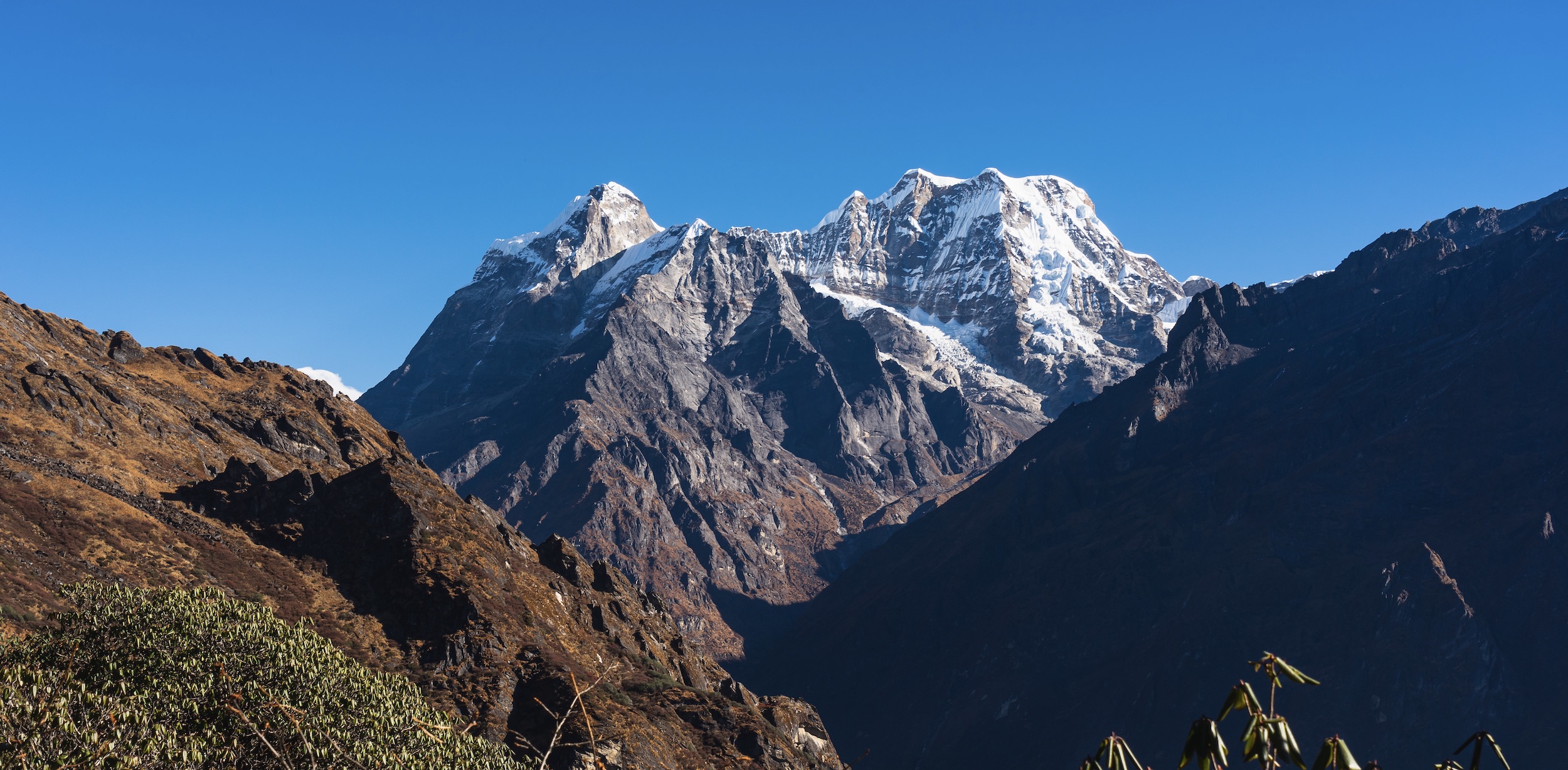
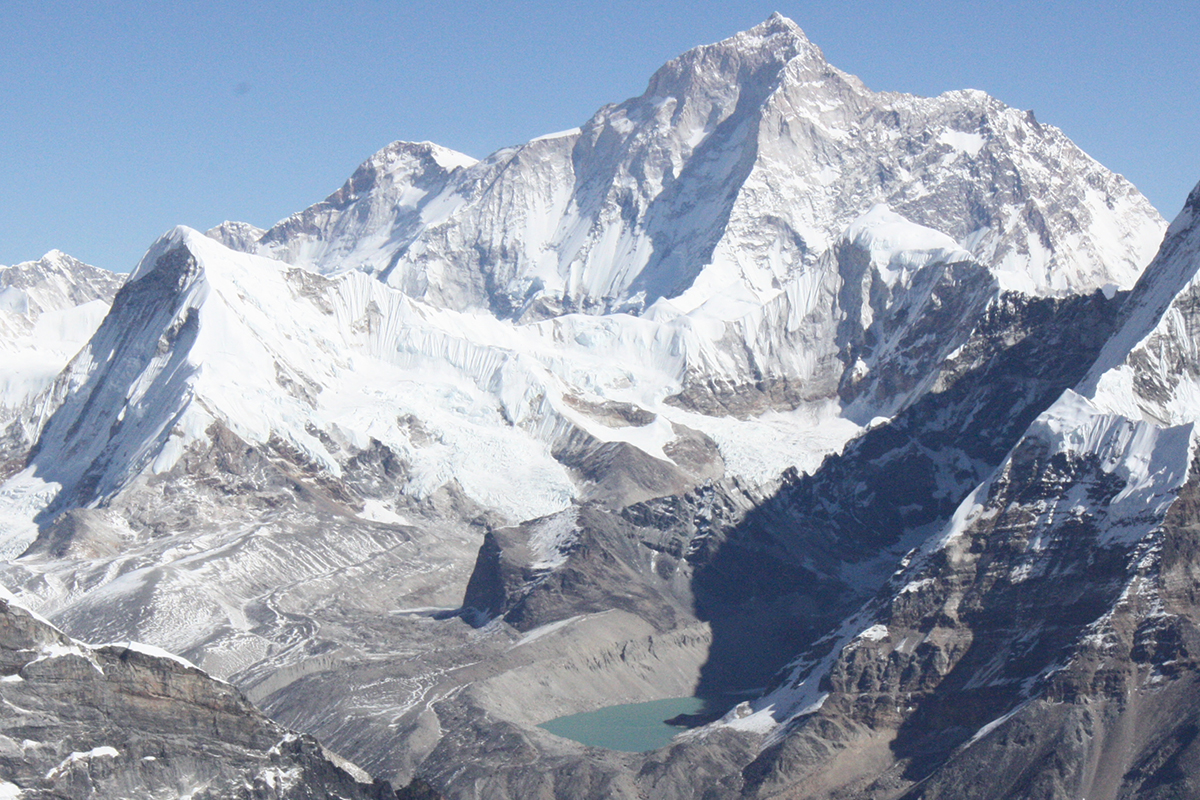
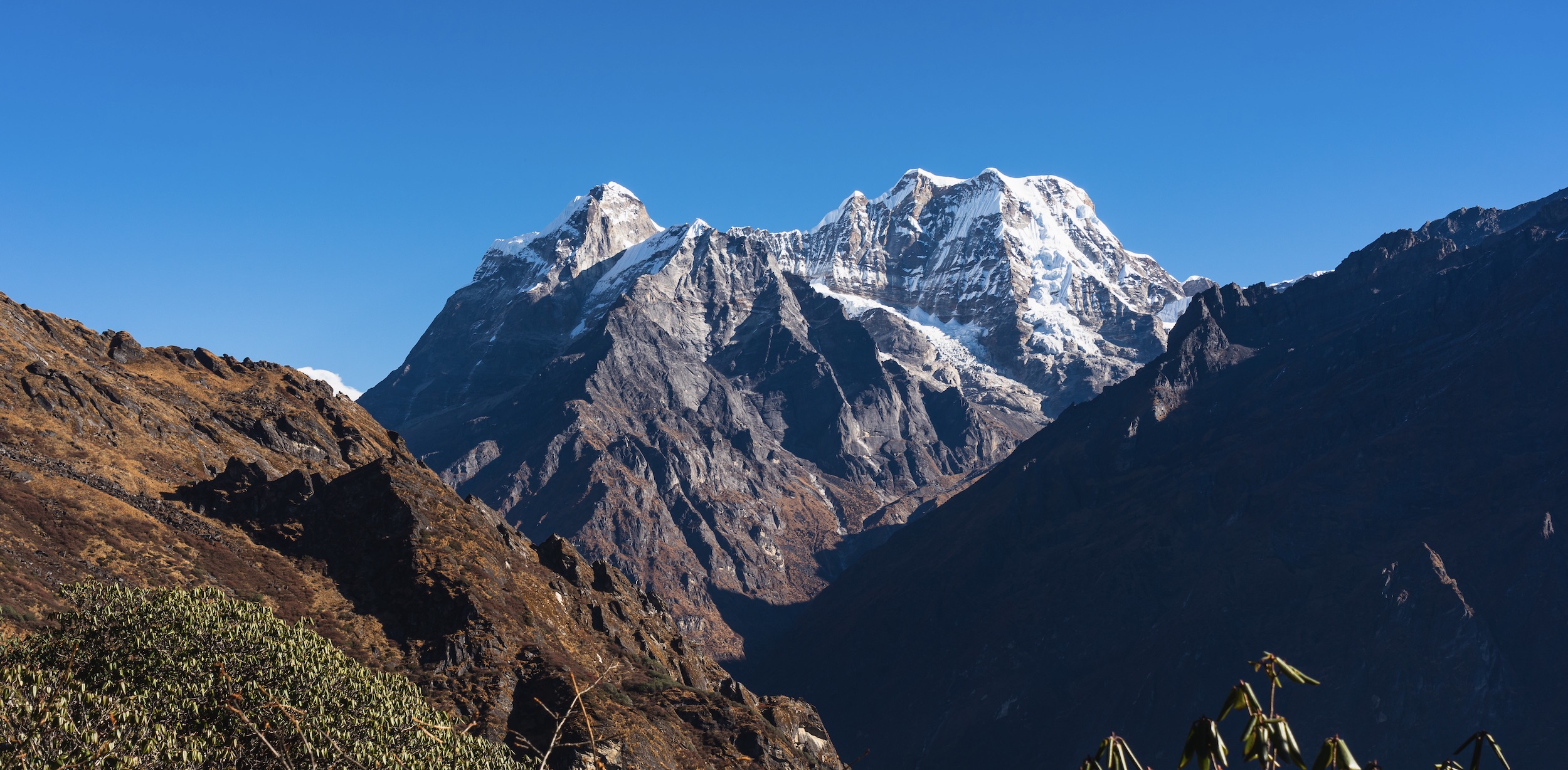
Mera Peak snowy mountain landscape
Nepal Region

Mera Peak Expedition

Difficulty Strenuous
Duration 16 Days
Max. Altitude 6,476 m/21,247 ft
Best Season Mar-May, Sep-Nov
Lodging & Meals Tea House, Tent & Hotel

Mera Peak

A high-altitude peak climb for fit trekkers who want a real Himalayan summit with glacier travel, rope support, and a more straightforward line than Nepal's technical alpine peaks.

Mera Peak Expedition is commonly chosen as a first 6,000-meter climb in Nepal. The mountain is serious because of the altitude and summit-day effort, but the standard route is usually described as non-technical to low-technical compared with harder peaks such as Island Peak or Ama Dablam.

The normal approach starts with a flight to Lukla and enters the Hinku Valley via Zatrwa La or nearby approach trails. The route then passes villages and trekking stops such as Paiya, Panggom, Ningsow, Chhatra Khola, Kothe, Thangnak, and Khare before the climbing section begins.

Above Khare, climbers normally move to Mera Base Camp and High Camp before a very early summit push. Crampons, harness, fixed rope where needed, and glacier travel support are part of the climb, and weather timing matters as much as fitness.

The biggest challenge on Mera Peak is altitude. Good acclimatization, careful pacing, and a stable spring or autumn weather window are more important here than advanced climbing technique. Typical package itineraries run about 16 to 20 days depending on acclimatization and flight buffers.

Current permit structures commonly include the seasonal Mera Peak climbing permit, Makalu Barun National Park entry, and the Khumbu Pasang Lhamu Rural Municipality fee on Lukla-side approaches. Because local rules can change, the exact permit combination should always be reconfirmed before departure.
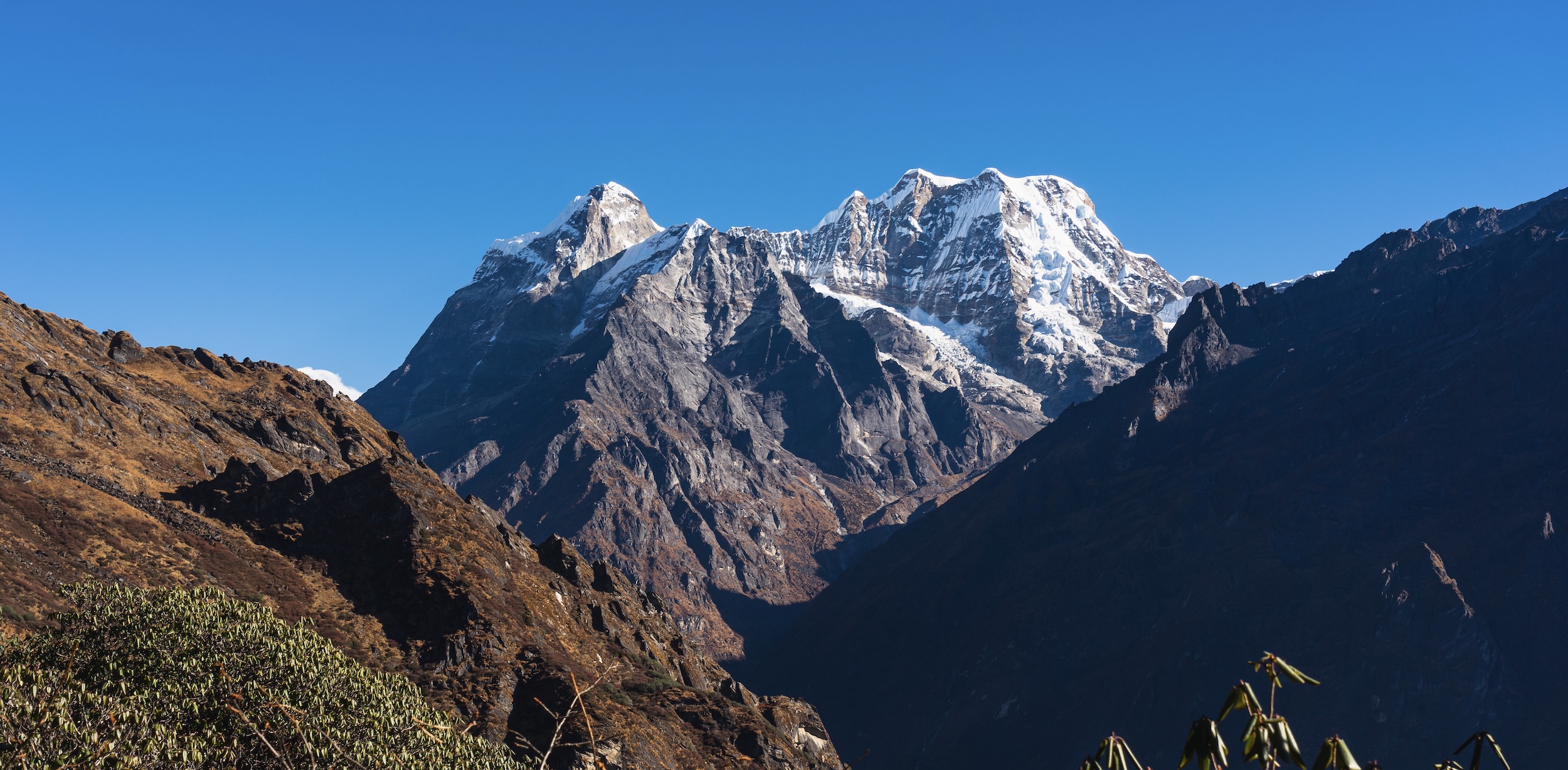
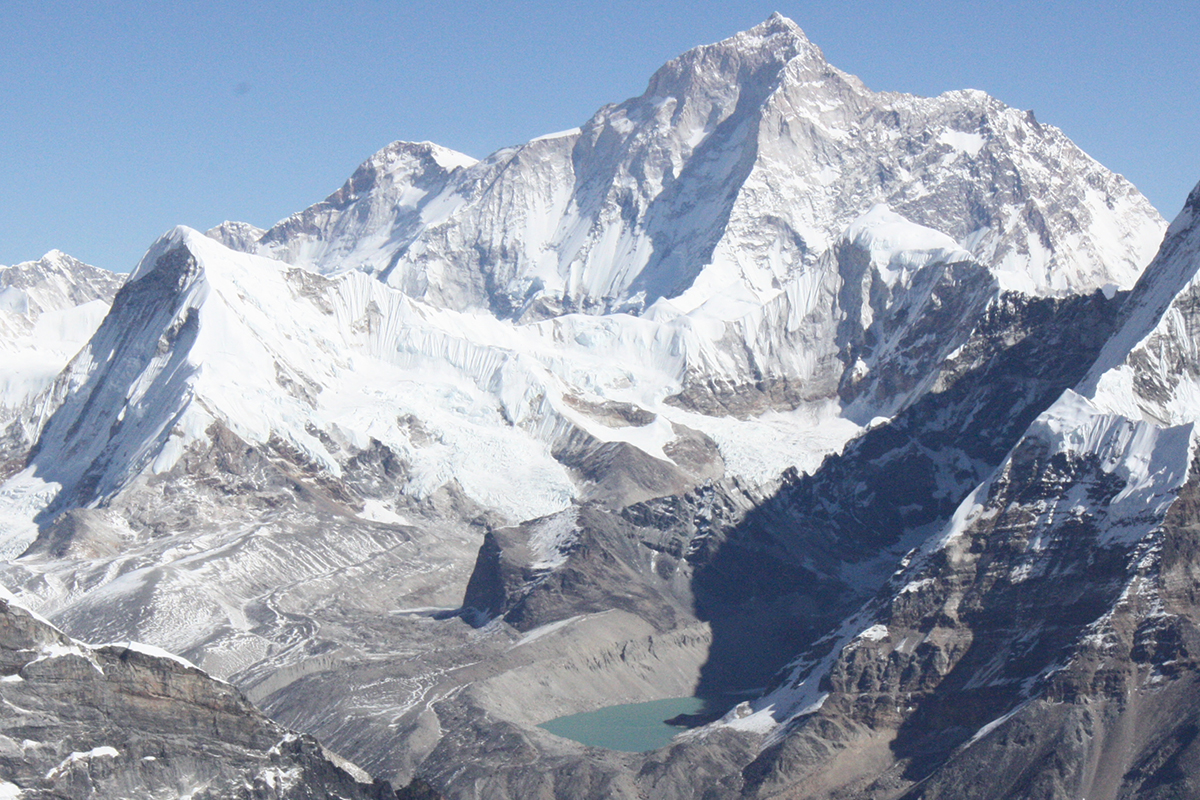
Mera Peak Expedition landscape view
Signature Experiences

Expedition Highlights

01

Climb Mera Peak at 6,476 m, widely marketed as Nepal's highest trekking peak and a classic first 6,000-meter Himalayan objective.

02

Approach through the quieter Hinku Valley from Lukla via Paiya, Panggom, Ningsow, Kothe, Thangnak, and Khare.

03

On clear summit days, views can include Everest, Lhotse, Makalu, Cho Oyu, and Kanchenjunga.

Trail Logs & Itinerary

1
Trekking Day Max Elev: 6,476 m/21,247 ft

We welcome you at the airport and transfer you to the hotel. The rest of the day is free to rest and sort your gear.

2
Trekking Day Max Elev: 6,476 m/21,247 ft

After the mountain flight to Lukla, we leave the main Everest trail and start toward the quieter Hinku Valley.

3
Trekking Day Max Elev: 6,476 m/21,247 ft

The trail climbs and drops through forest and small settlements. It is a full walking day with a remote feel from the start.

4
Trekking Day Max Elev: 6,476 m/21,247 ft

We continue on ridges and wooded paths, moving steadily higher while staying well paced for acclimatization.

5
Trekking Day Max Elev: 6,476 m/21,247 ft

The route passes through quiet forest sections before dropping to the riverside camp area at Chhatra Khola.

6
Trekking Day Max Elev: 6,476 m/21,247 ft

We follow the valley deeper into the Hinku region. The scenery opens gradually and the air starts to feel colder.

7
Trekking Day Max Elev: 6,476 m/21,247 ft

We continue above the tree line and gain more height. The trail becomes more open, rocky, and alpine.

8
Trekking Day Max Elev: 6,476 m/21,247 ft

A rest and acclimatization day gives your body time to adjust before moving toward Khare.

9
Trekking Day Max Elev: 6,476 m/21,247 ft

Khare is the main climbing base for Mera Peak. We arrive, rest, and begin preparing for the higher camps.

10
Trekking Day Max Elev: 6,476 m/21,247 ft

We check gear and practice using crampons, harness, rope, and ice axe so everyone feels more confident before the climb.

11
Trekking Day Max Elev: 6,476 m/21,247 ft

We move above Khare and enter the climbing section. The route is slower now, with more focus on weather and energy.

12
Trekking Day Max Elev: 6,476 m/21,247 ft

We gain more altitude and settle into High Camp, where the team prepares for the summit push.

13
Trekking Day Max Elev: 6,476 m/21,247 ft

We start before sunrise, climb steadily to the summit, enjoy the huge Himalayan panorama, and descend carefully back to Khare.

14
Trekking Day Max Elev: 6,476 m/21,247 ft

After the climb, we return down the valley to lower altitude and a more comfortable night.

15
Trekking Day Max Elev: 6,476 m/21,247 ft

The final trekking day brings us back to Lukla, where we can relax after the long mountain journey.

16
Trekking Day Max Elev: 6,476 m/21,247 ft

We fly back to Kathmandu, transfer to the hotel, and close the expedition with a well-earned final evening.

Inclusions

  • Airport pick-up and drop-off in Kathmandu.
  • Hotel stay in Kathmandu before and after the trip.
  • Trip briefing, permit help, and climb coordination.
  • Guide support during the approach trek, climb, and return journey.
  • Base camp and high camp setup with shared camping arrangements.
  • Meals during the trek and climbing section as per the trip plan.
  • Experienced climbing guide support and local staff.
  • Common group climbing gear such as ropes and camp equipment.
  • Staff wages, meals, insurance, and operational expenses.
  • Required trekking and climbing permits for the Mera Peak route.
  • Common permits for this route include the seasonal Mera Peak climbing permit, Makalu Barun National Park entry, and local municipality fees.
  • Administrative costs related to the expedition.

Exclusions

  • International flights to and from Nepal.
  • Nepal visa fees and personal travel expenses in Kathmandu.
  • Personal climbing gear, clothing, and rental equipment.
  • Travel insurance with high-altitude rescue coverage.
  • Personal snacks, drinks, tips, charging, hot showers, and private room upgrades.

Frequently Asked Questions

For 'trekking peaks' like Island Peak or Mera Peak, no advanced mountaineering experience is required, but you must be familiar with using crampons, a harness, and ascenders (Jumar). We provide pre-climb training at base camp.
Yes, all our climbing guides and Sherpas are highly experienced, certified by the Nepal Mountaineering Association (NMA), and have multiple successful summits of Everest and other 8,000-meter peaks.
You need personal mountaineering gear including double climbing boots, crampons, harness, ice axe, ascender (Jumar), descender (figure-8), carabiners, and a helmet. You can bring your own or rent them in Kathmandu or Namche.
Climbing packages feature slow ascent schedules, extra rest days, and acclimatization hikes to high camps. We practice the 'climb high, sleep low' rule to prepare your body for the thin air on summit day.
Safety is our absolute priority. If weather conditions are unfavorable on the scheduled summit day, we will wait at high camp or base camp for a clear weather window. We factor buffer days into our itineraries.
At base camp and high camps, we provide high-quality dome tents, foam mattresses, and a kitchen tent staffed by our professional cook team preparing nutritious, fresh meals to maintain your strength.
Yes, you must secure a specialized insurance policy that explicitly covers mountaineering or peak climbing up to the maximum altitude of your summit, including high-altitude search, rescue, and helicopter evacuation.